

How Denim Is Made: Indigo Dyeing
In this third episode in the series about how denim is made, you’ll learn about natural and synthetic indigo, and the differences between rope dyeing and slasher dyeing.
In this third episode in the series about how denim is made, you’ll learn about natural and synthetic indigo, and the differences between rope dyeing and slasher dyeing.

In this second episode in the series about how denim is made, you’ll learn how yarn is made in the spinning process of denim production. I also discuss the pros and cons of ring spinning vs. open-end spinning and why denimheads prefer ring-spun denim.

In this part 2 of my history of jeans overview, you’ll learn how ‘designer jeans’ broke through the mainstream, plus how to tell the story when you’re selling.
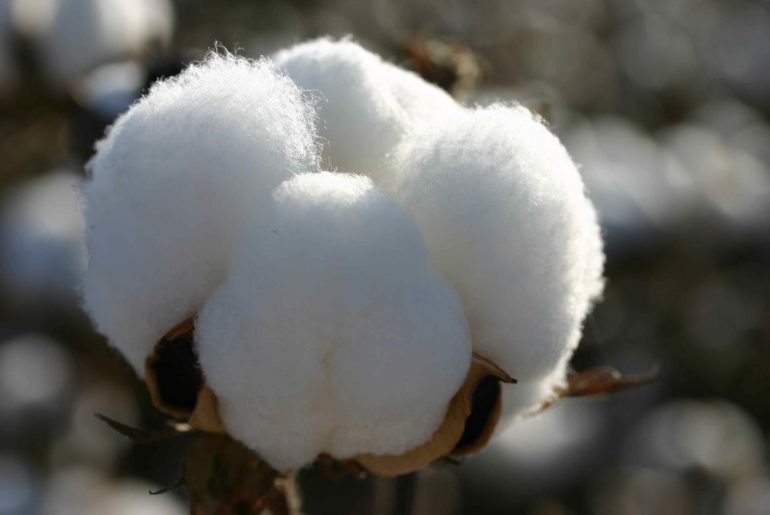
This is the first of five episodes in the series about of how denim is made. You’ll discover what cotton is and how you can use this knowledge to tell better stories when you’re selling jeans.
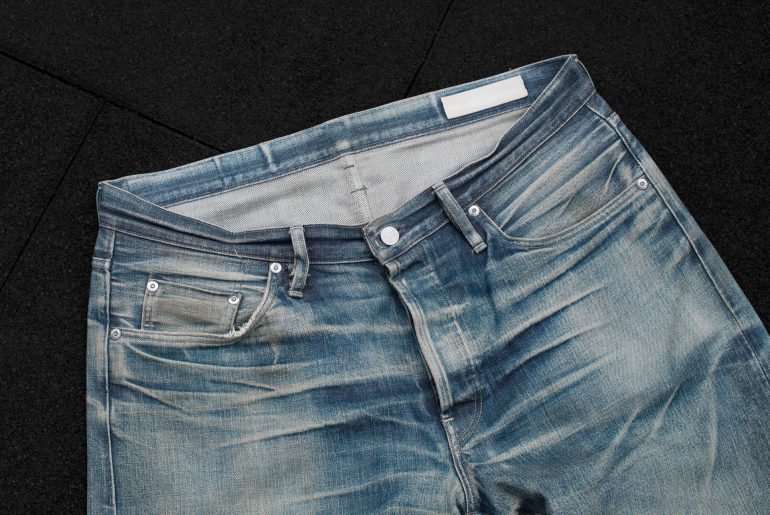
Jeans retail is a competitive business. One way for retailers to get ahead of competitors is by knowing more about the products their selling. This article answers 4 jeans FAQs often heard in retail.

Storytelling is a great way to get your customer excited about what you’re selling and to demonstrate your competency. The hard part is not telling the story, it’s how you tie it together with the specific features and benefits of what you’re selling. That’s what this article helps you do.
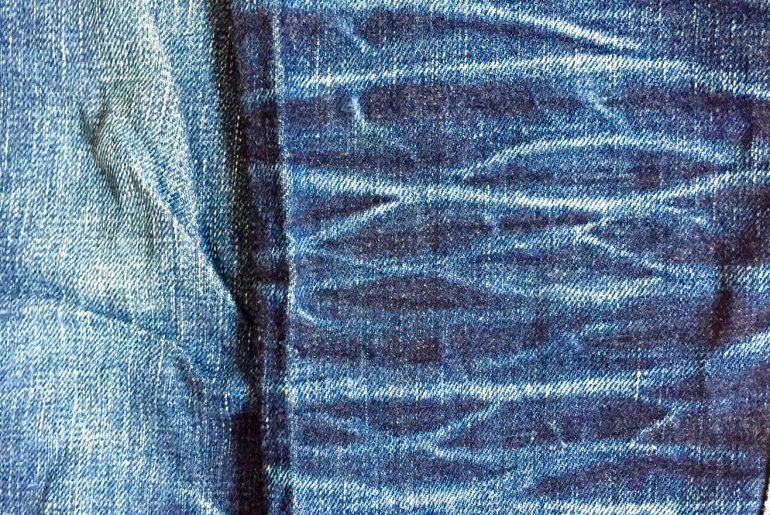
How we wash our jeans sometimes feels like a complicated form of art. If selling jeans is part of your job but don’t provide the right washing guidance, you can get in serious trouble.
The two step-by-step washing guides and the ‘‘3-question tool for better jeans washing guidance’ in this article will help you determine what kind of washing advice your customers need.
The world of denim has its own specialised language with technical terms that is expected to be mastered by anyone working in the business.
This denim glossary explains in the simplest way possible 22 of the most commonly used terms.

How do you make it as aspiring and young denim designer? This article is a must-read lesson about how to start a denim brand; told by an industry veteran who did so himself and made it in the denim business.
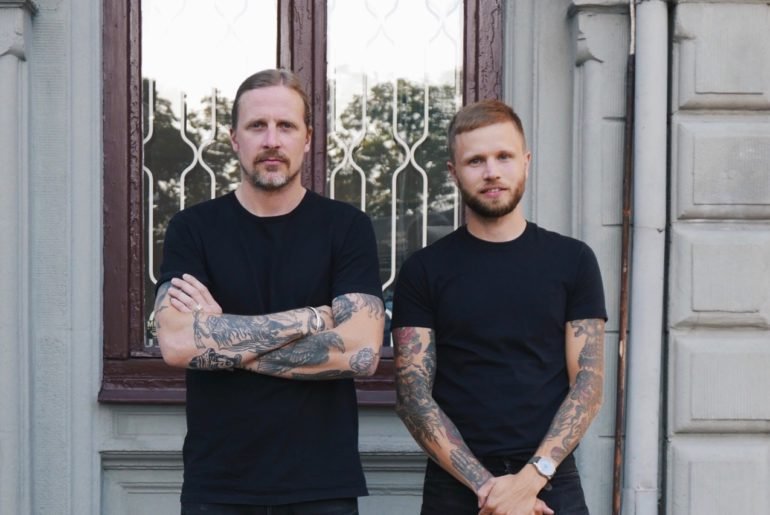
Selling perfect jeans is a form of art. I talk to Peter and Christopher from Meadow about how they (very successfully) help their customers find jeans they’ll be happy with.

We’re spending more money on jeans, but are we buying the “right” jeans? These 4 jeans buying priorities will help you buy the right jeans, every time.
NoKipple have signed up Rest Denim to the Artisan Challenge hoping it will be a launchpad for the brand’s jeans line that will debut on The Makers platform.
Chris Benson aka ‘Netleyhunter’ has been wearing the Naked & Famous 32 oz. jeans in the HWDC2 without any washing or soaking. This is what it has been like.
According to Greg Haehl of 1200 East, fit is more important than construction and denim for durability. He signed up for the Artisan Challenge to prove it.
Kenley Chittick, founder of Dumluck, will be wearing a drop-crotch, carrot fit jean made from 15 oz. Japanese selvedge denim for the Artisan Challenge.
paul kruize jeans is a good example of how actions speak louder than words. His bespoke Artisan Challenge jeans are made from 16 oz. Collect denim.
We’ve found these six lightweight denims that prove weight isn’t the only criterion you should choose your jeans based on when looking for great fades.
Not surprisingly, Companion Denim, Artisan Challenge co-host, focuses on fades with his Challenge jeans. Find out what the talented artisan is making.
If 15-18 oz. is your thing, then one of these three middleweight denims may win you the coveted Denim World Championship trophy.
For the Artisan Challenge, Bela Ujhazy of Hepville Custom Clothing is making a pair of trousers from Italian herringbone fabric and 100-year-old linen.